
Nipple piercings are associated with a prolonged healing process and increased sensitivity due to the anatomical structure of the area. Pain, swelling, and tenderness are common, particularly during the initial weeks following the procedure.
Effective pain management is essential not only for comfort but also for preventing complications that may delay healing.
Role of Lidocaine in Pain Management
Topical anesthetics such as lidocaine are frequently used to reduce localized discomfort. Lidocaine works by blocking sodium channels in nerve cells, temporarily preventing pain signals from reaching the brain.
If you’re considering this option, this practical guide on how to relieve nipple piercing pain with lidocaine spray and similar methods can help you understand when and how to use it safely:
https://okdermo.com/soothe-nipple-piercing-pain-lidocaine-spray-and-other-options/
When used appropriately, lidocaine may:
- Provide short-term pain relief
- Reduce sensitivity during early healing
- Improve tolerance to daily aftercare
However, it does not address underlying inflammation and should be used as a supportive measure rather than the primary treatment.
Clinical Safety and Proper Use
Topical lidocaine is generally considered safe when applied as directed, but misuse may lead to irritation or unwanted side effects.
For a more detailed medical overview of how lidocaine works and its safety profile, see:
https://www.ncbi.nlm.nih.gov/books/NBK537164/
Supporting the Healing Process



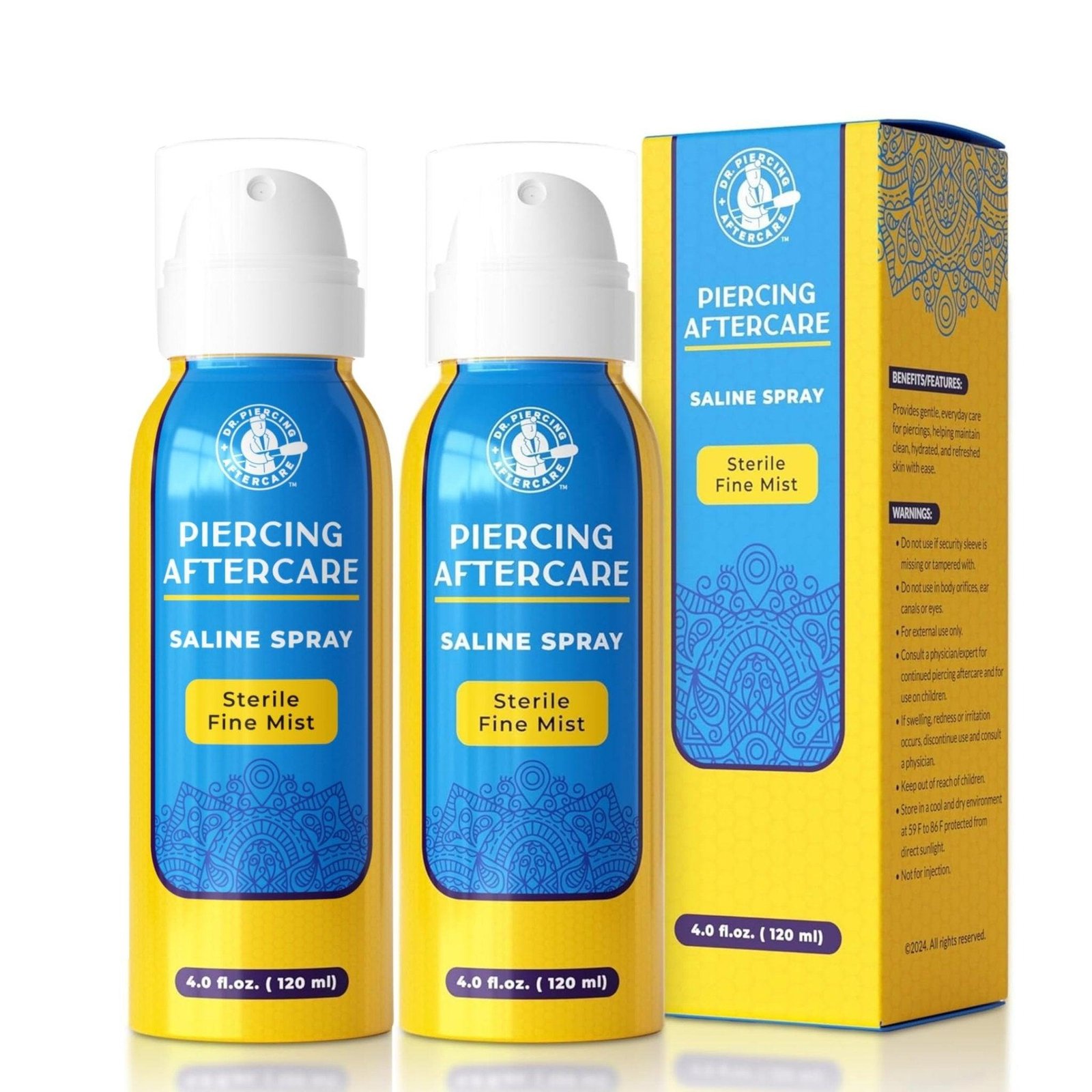
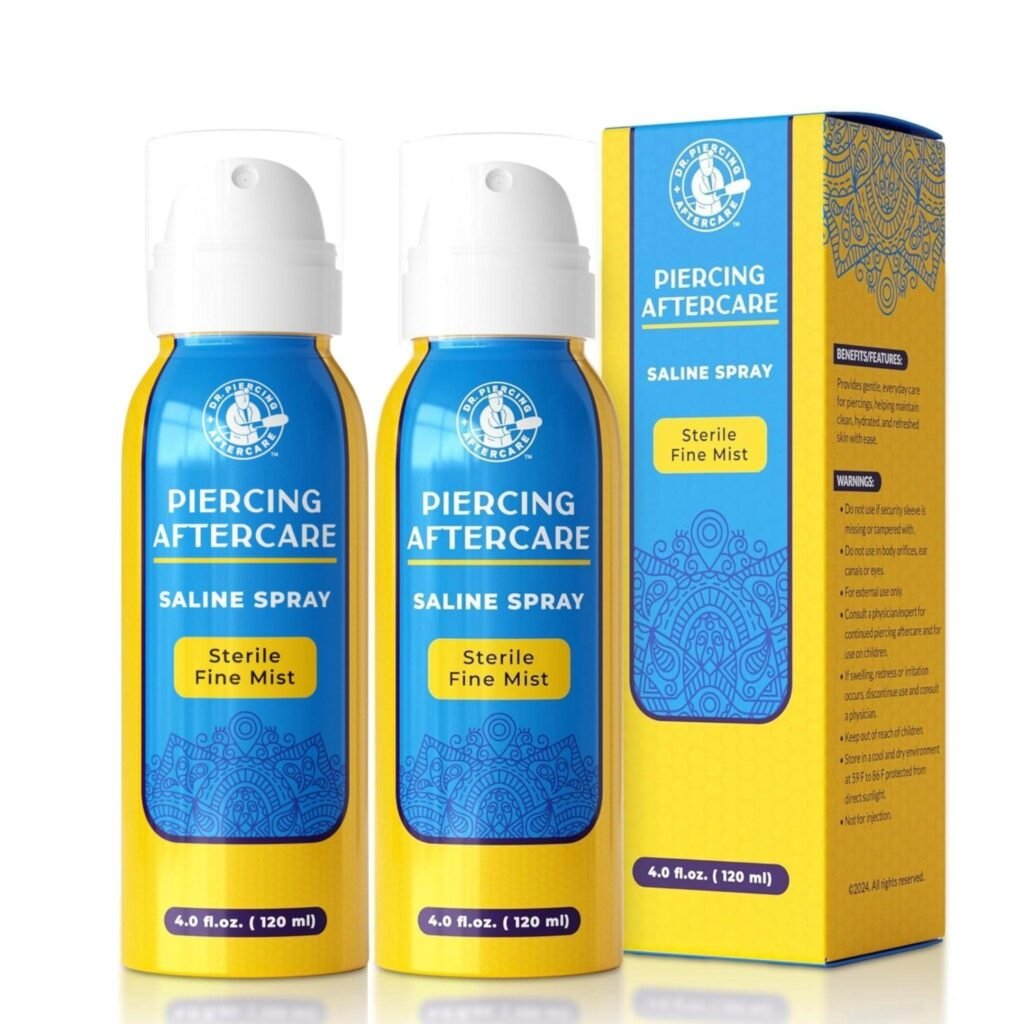
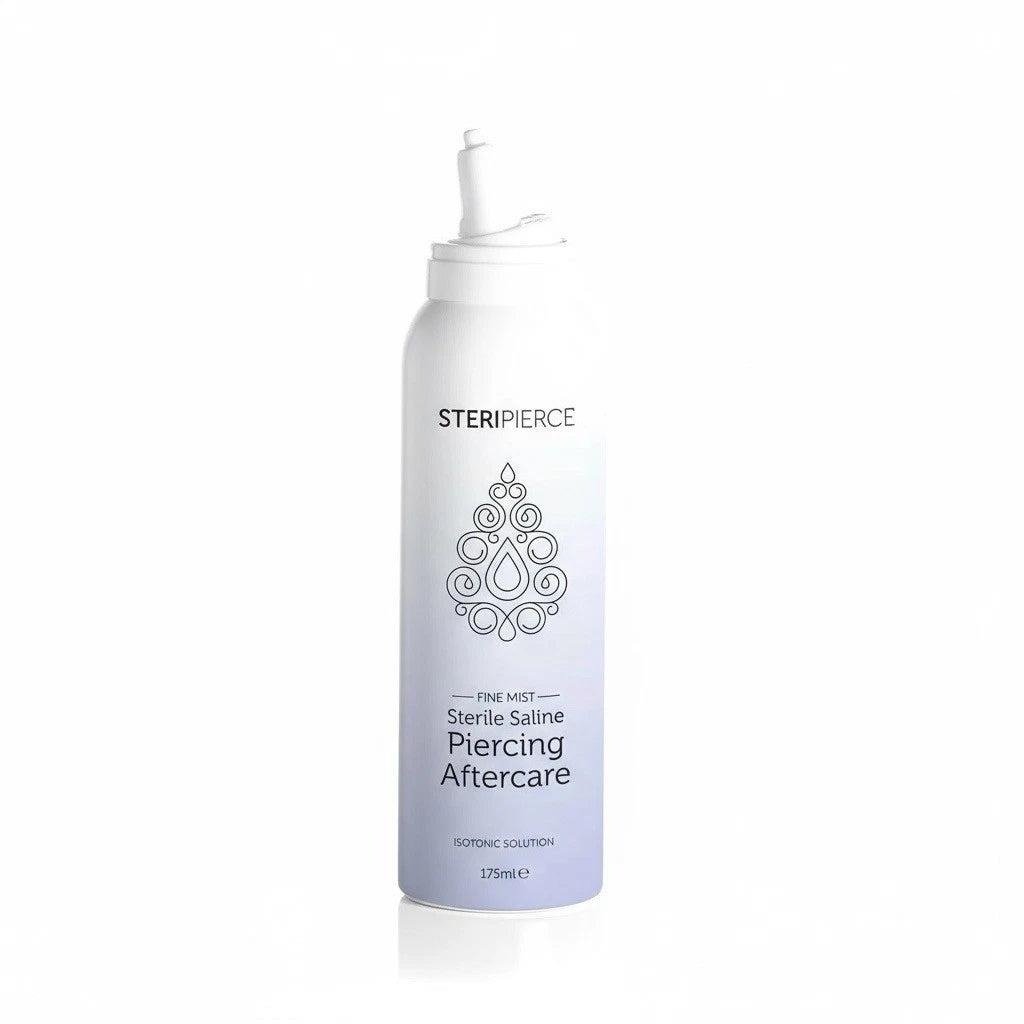
Saline Cleansing
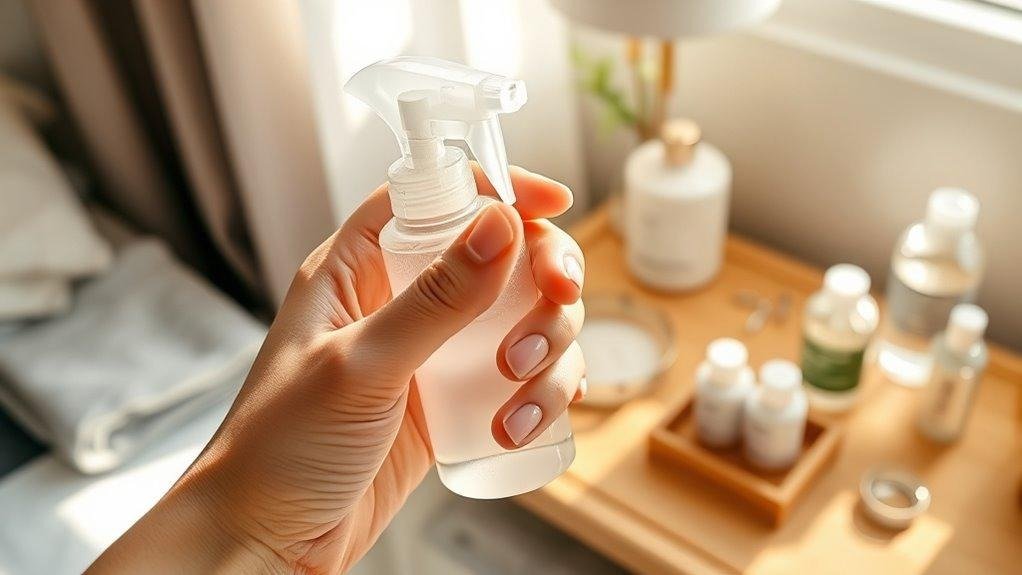
Regular cleaning with sterile saline helps reduce infection risk.
Reducing Friction
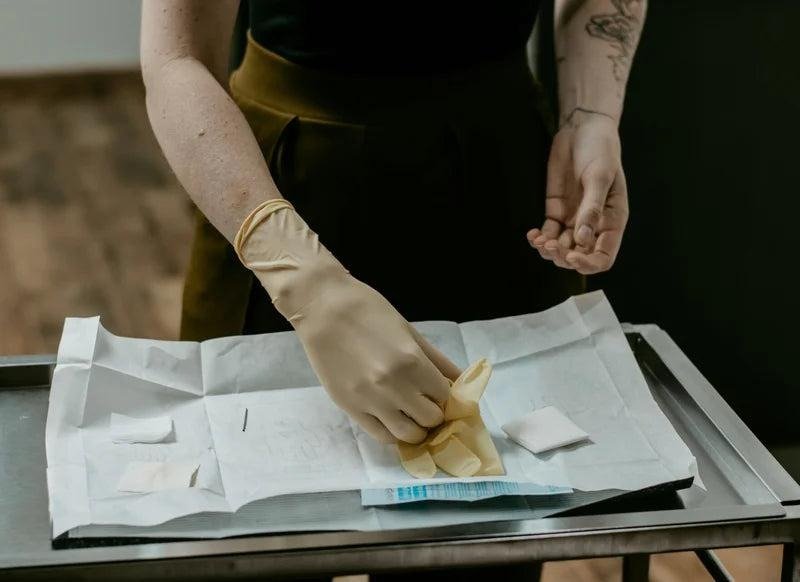
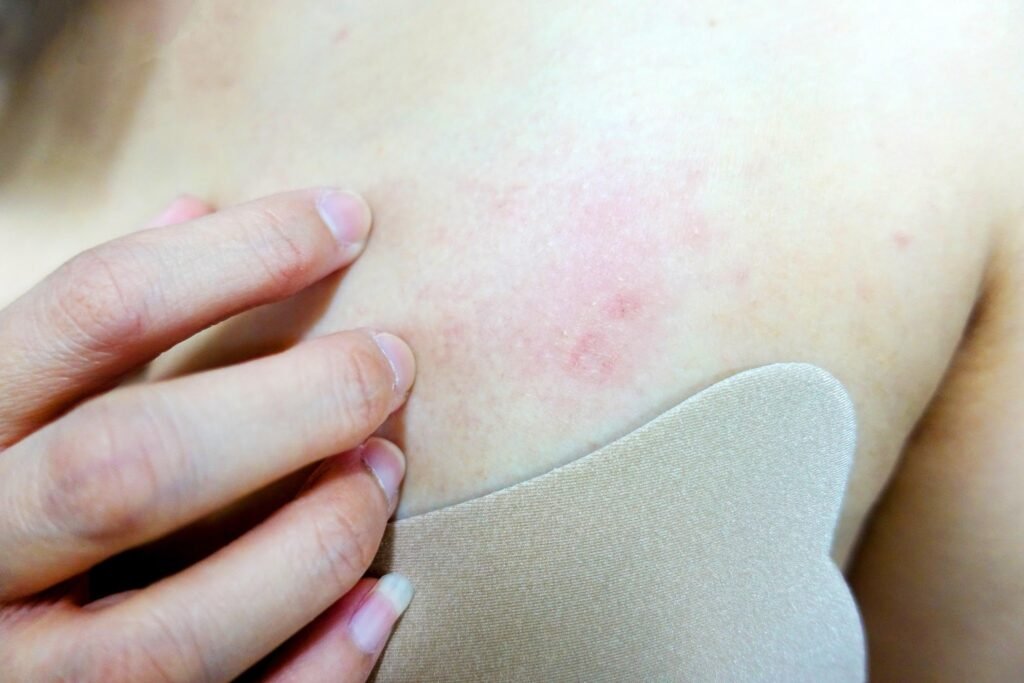
Loose clothing minimizes irritation during healing.
Cold Compresses
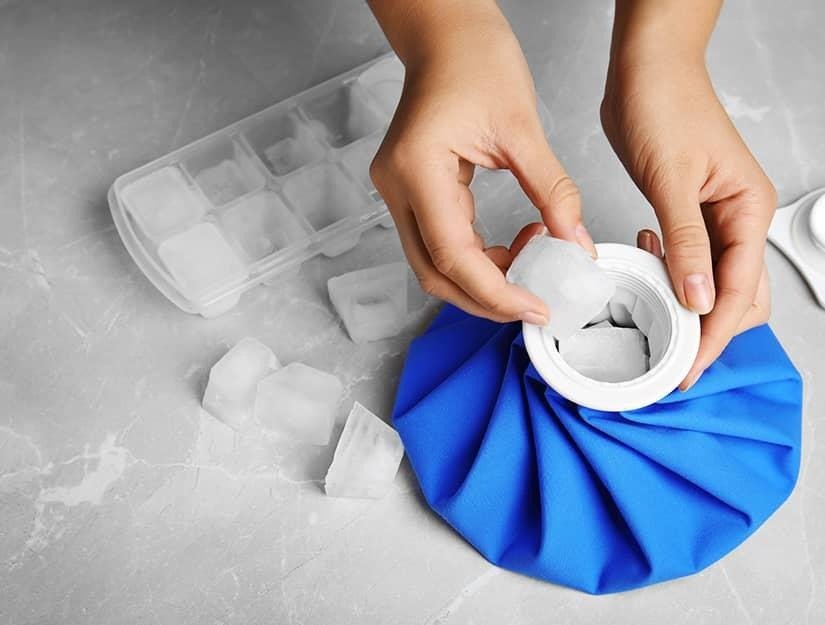
Cold therapy can reduce swelling and discomfort.
Avoiding Overuse of Products
Too many topical products may irritate the skin and slow recovery.
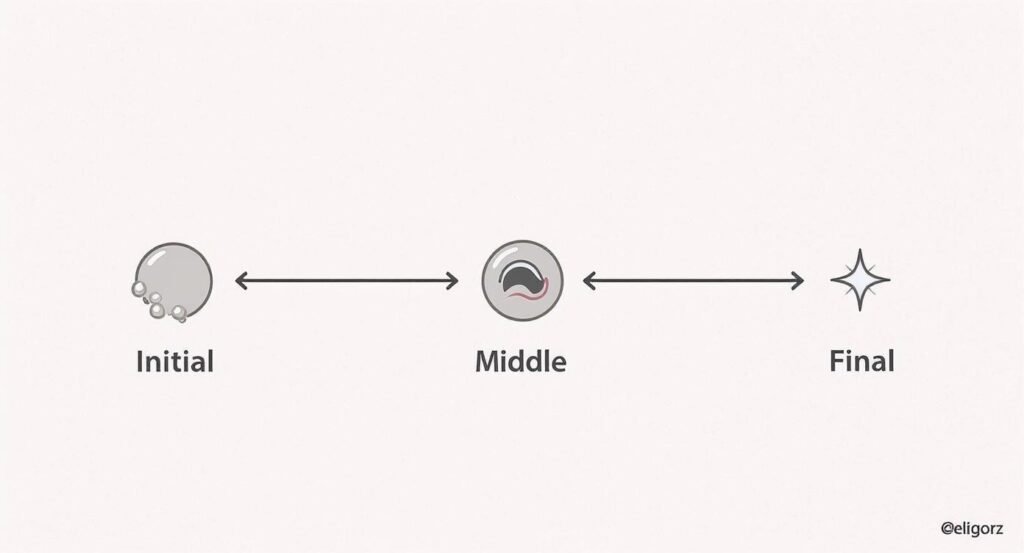
Healing Timeline
- First 1–2 weeks: swelling and tenderness
- Several weeks: gradual improvement
- Full healing: up to several months
Warning Signs of Complications
Seek medical attention if:
- Pain worsens instead of improving
- Abnormal discharge appears
- Significant redness or swelling spreads
Conclusion
Lidocaine can be helpful for managing nipple piercing discomfort when used correctly, but it should always be combined with proper aftercare. A balanced approach ensures both pain relief and safe healing.
